Identifying the Top Online Casinos in South Africa
In many other parts of the world, casino players are limited in their options. What makes a casino ideal for you? There are several factors you should look at when identifying the best casino. The first thing you should ask yourself is if the casino is legit or not. Today's market is flooded with online casinos, many of which are not legit— meaning that they don't pay out. South Africa has not been left behind. Online casinos like http://www.onlinecasino-za.xyz are safe and give a rewarding experience online. Don't fall for casinos that can't guarantee the safety of your cash. Authenticity is one thing that defines how good an online casino is. Make sure your preferred casino is authentic.
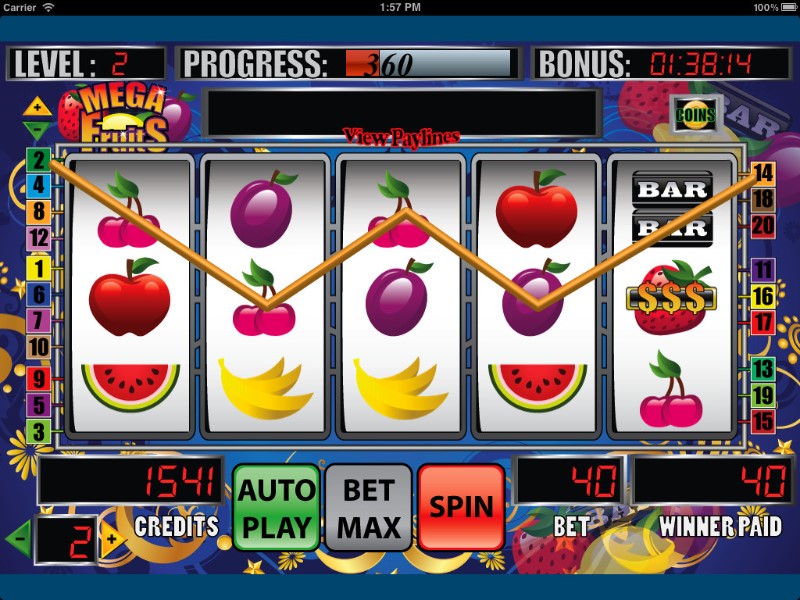
Why You Should Play SA Online Casinos?
Online casino players from South Africa have a lot of options they can play. Well established brands like http://www.asotoronto.org/ give their customers a wide variety of games to choose from. Their goal is providing players from South Africa with necessary details on the perfect South African online casinos to play either for free or real money. Every online casino listed in this article offer clients the ability to play, make real money and get paid in South African currency. Each one of them has a toll free number that players can get in touch with to report complaints, and make sure the whole process is transparent and authentic. Nothing can go wrong when dealing with these online casinos as long as you have done due diligence.
Online casinos in South Africa give you an opportunity to players that may not be able to access physical land casino. They give a perfect opportunity for players in South Africa to access cash games from the comfort of their homes. What makes South African online casinos ideal is the fact that they are very secure and the players are protected. Additionally, the great thing about playing online casinos is the wide variety of games at your disposal any time. You are eligible to benefit from sumptuous casino bonuses and remarkable customer support services when playing online casinos in SA. Your winnings are always available on time and you can also withdraw them with so much ease.
Top South African Casinos
Online casinos in SA are ideal for any gambler. Most of them are licensed and regulated. This means that they offer player protection and the entire online casino is regulated by a governing body. It also indicates that every gambling law in South Africa is being followed. Top online casinos in SA use encryption software when processing payments to ensure that personal and financial information is secure. Additionally, top online casinos in South Africa will provide their clients with a wide variety of games to meet their needs. Online casinos in South Africa provide the same games one would find in a land casino. Below are some of the top casinos in South Africa.
- Yebo Casino
- Springbok Casino
- Punt Casino
- Thunderbolt Casino
- Casino Midas
Online casinos in SA require players to sign up at a casino site. They are then needed to choose a payment method especially if they want to engage in games for cash wagers. One good thing about the online games in South Africa is that as long as the account is funded and people are betting on games, they can retain the winnings generated during the entire game. So, you can make real money from online casinos in SA. The top casinos mentioned above have the best security policies and payout options. Players can secure their winnings shortly after playing. You don't stand a chance risking your money with any of these top online casinos in South Africa.
Are There Online Casino Bonuses?
Online casinos in SA are always seeking to please their clients. Online casino bonuses are offered at top casino sites in South Africa. They reward their players with free money to keep them up bit. The bonuses money can be used to play other games available and supported. Again, it is important to note that not every casino site will have the same offer, but almost each one of them will at least have a welcome bonus to provide cash for new players. Essentially, as a player, you are advised to put the bonus money into good use. Don't gamble it away recklessly because it is free money, rather, make the most out of it. You never know, you could make a fortune out of it!